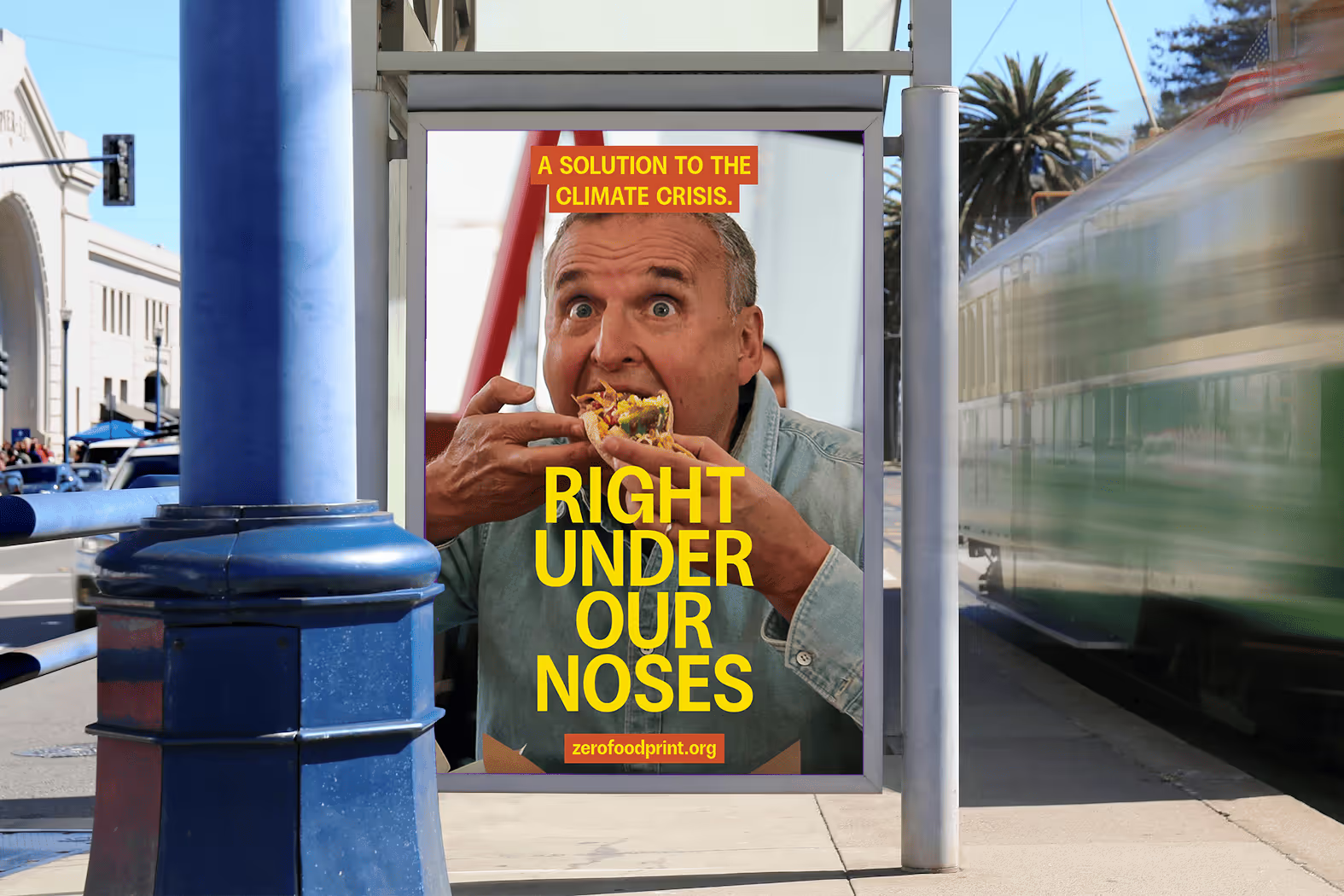
This project represents an exploratory campaign concept developed independently and not commissioned or launched. It is shared to illustrate my approach to campaign thinking, visual systems, and storytelling.
Project Overview
Zero Foodprint is a nonprofit working to support regenerative agriculture by connecting food systems, soil health, and climate action. This speculative campaign exploration was developed independently after first learning about the organization. The work explores how Zero Foodprint’s mission could be translated into bold, accessible public-facing campaigns that engage diners, restaurant partners, and supporters.
Strategic Context
Climate change and soil health are deeply interconnected, yet these systems often feel abstract or distant to the general public. Zero Foodprint operates at a unique intersection of food, climate, and everyday decision-making, offering an opportunity to meet people where they already are: restaurants, dining culture, and shared food experiences.
Food is both universal and emotional, providing a tangible entry point for conversations about regenerative practices, carbon drawdown, and systems change, particularly for audiences who may not otherwise engage with climate messaging.
Opportunity
Zero Foodprint’s work addresses a critical challenge, but the underlying systems can be difficult to visualize or understand quickly. The opportunity was to explore campaign concepts that spark curiosity, invite learning, and reframe soil and regenerative agriculture as immediate, relevant, and even surprising, without undermining the seriousness of the mission.
Solution
Campaign Concept: “A Solution to the Climate Crisis. Right Under Our Noses.”
Developed a campaign concept centered on food as the most immediate and relatable connection to soil health and climate solutions. The core idea positions regenerative agriculture not as an abstract environmental issue, but as something embedded in everyday dining, food culture, and shared experiences.
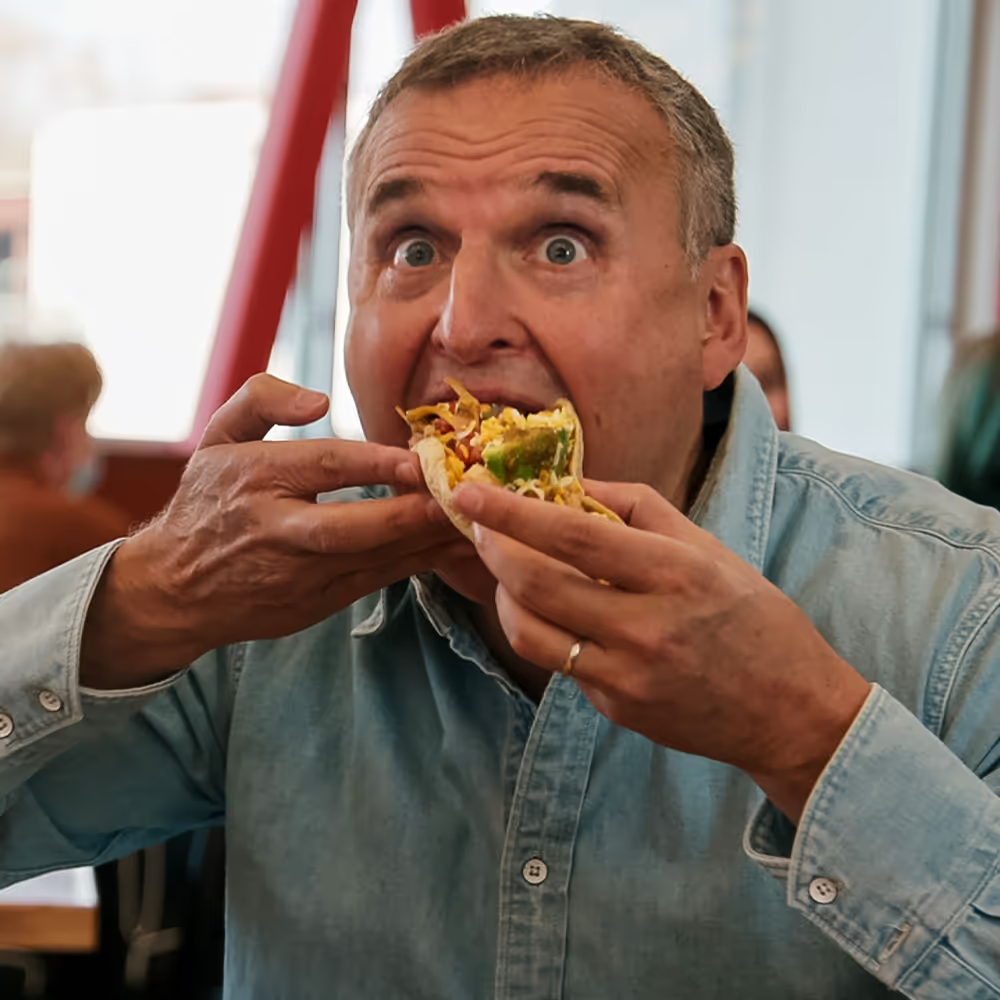
As part of this exploration, I envisioned collaborative campaign moments with well-known food and culture voices, such as Somebody Feed Phil, to help carry the message into familiar, trusted spaces. By pairing Zero Foodprint’s mission with recognizable culinary storytelling, the campaign concept explores how partnerships could broaden reach, lower barriers to entry, and make conversations about regenerative agriculture feel accessible, human, and relevant to a wider audience.
These concepts were supported by a flexible visual system designed to work across media, partners, and scales — from editorial-style collaborations to public-facing awareness moments — while maintaining a consistent tone and message.
The collaborative visuals were designed to feel natural within food media and restaurant contexts, reinforcing the idea that climate solutions are already present in the meals we eat and the stories we share. Quite literally, right under our noses.

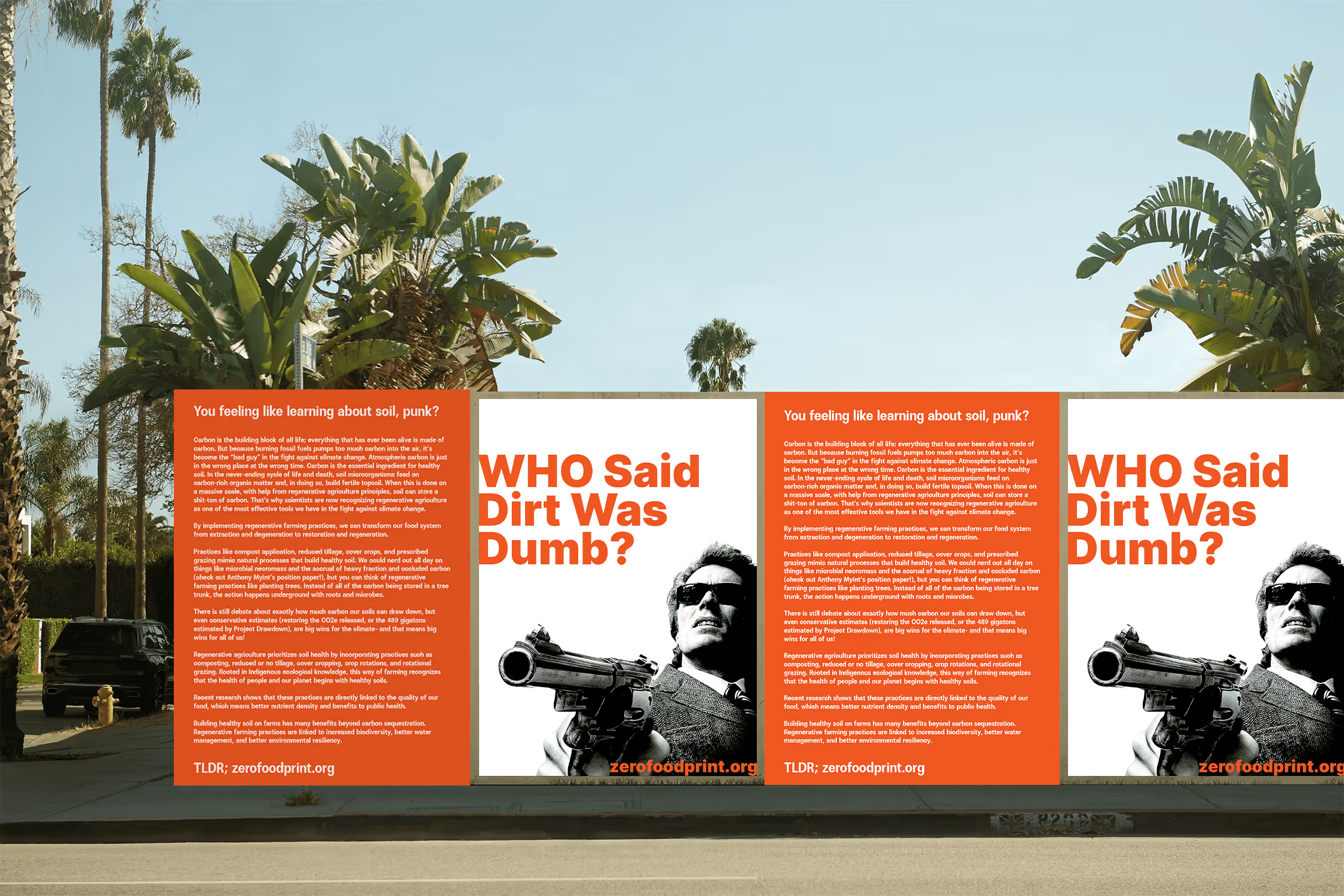
Awareness and Provocation: “Dirt’s Not Dumb.”
As a complementary awareness thread, I explored a more provocative message designed to disrupt common perceptions of soil as passive or insignificant. “Dirt’s Not Dumb” reframes soil as a living, intelligent system that underpins food production, ecosystem health, and climate resilience. The intentionally blunt language is meant to spark conversation, particularly in public and experiential contexts where unexpected messaging can interrupt assumptions and invite deeper engagement.
The visual language here intentionally leans bold and direct, allowing the message to stand on its own in high-visibility environments while remaining connected to the broader campaign system.
These messages were designed for public placements such as transit environments and street-level media, where brief moments of surprise can interrupt assumptions and invite engagement.



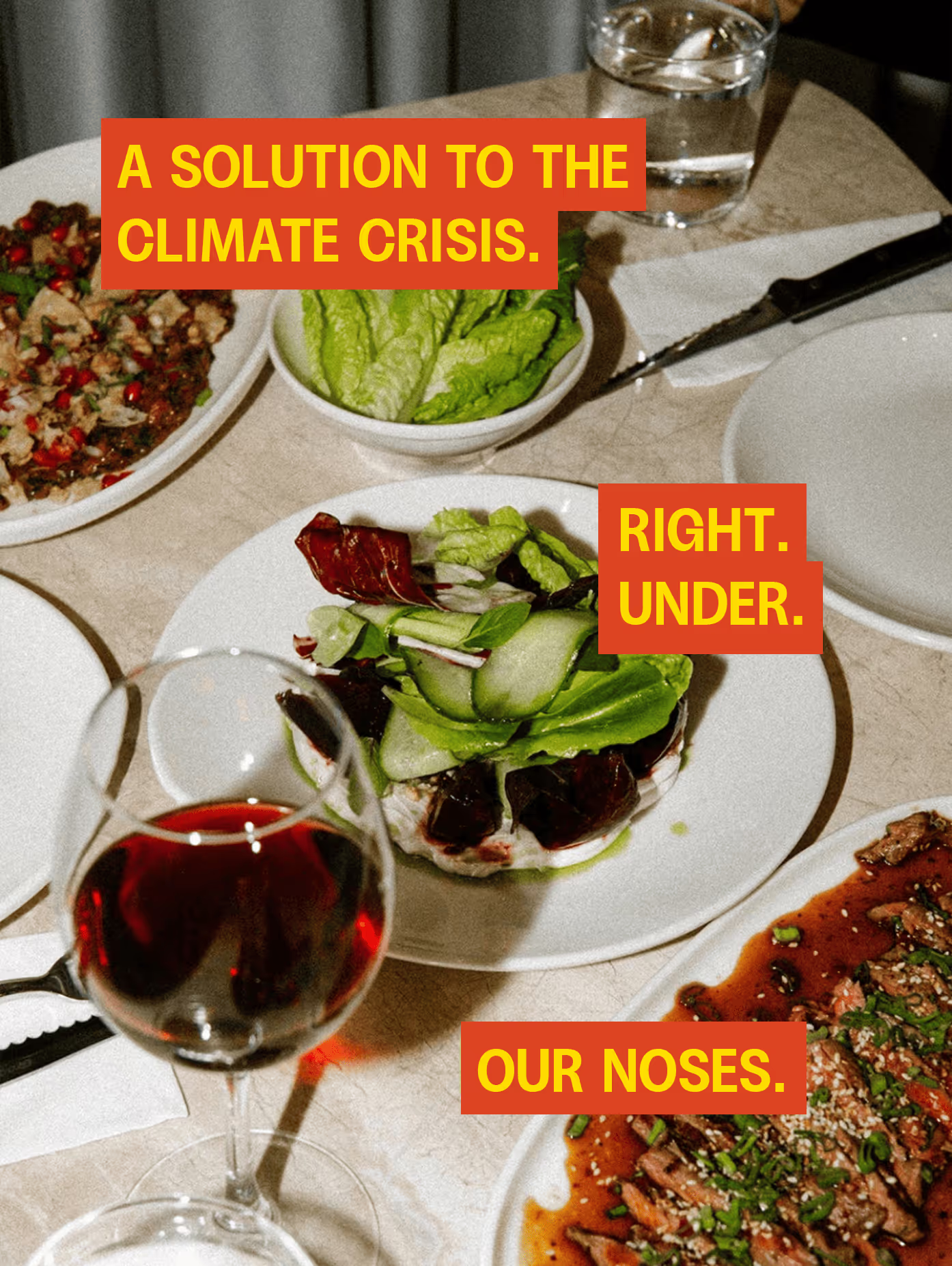
Restaurant Partnerships and Collateral:
Proposed in-restaurant visuals and collaborative touchpoints that meet diners at the moment of consumption, reinforcing the connection between food choices, soil health, and regenerative practices.
These materials were conceived as modular components within the larger visual system, allowing restaurants and partners to participate without diluting the campaign’s core identity or message.
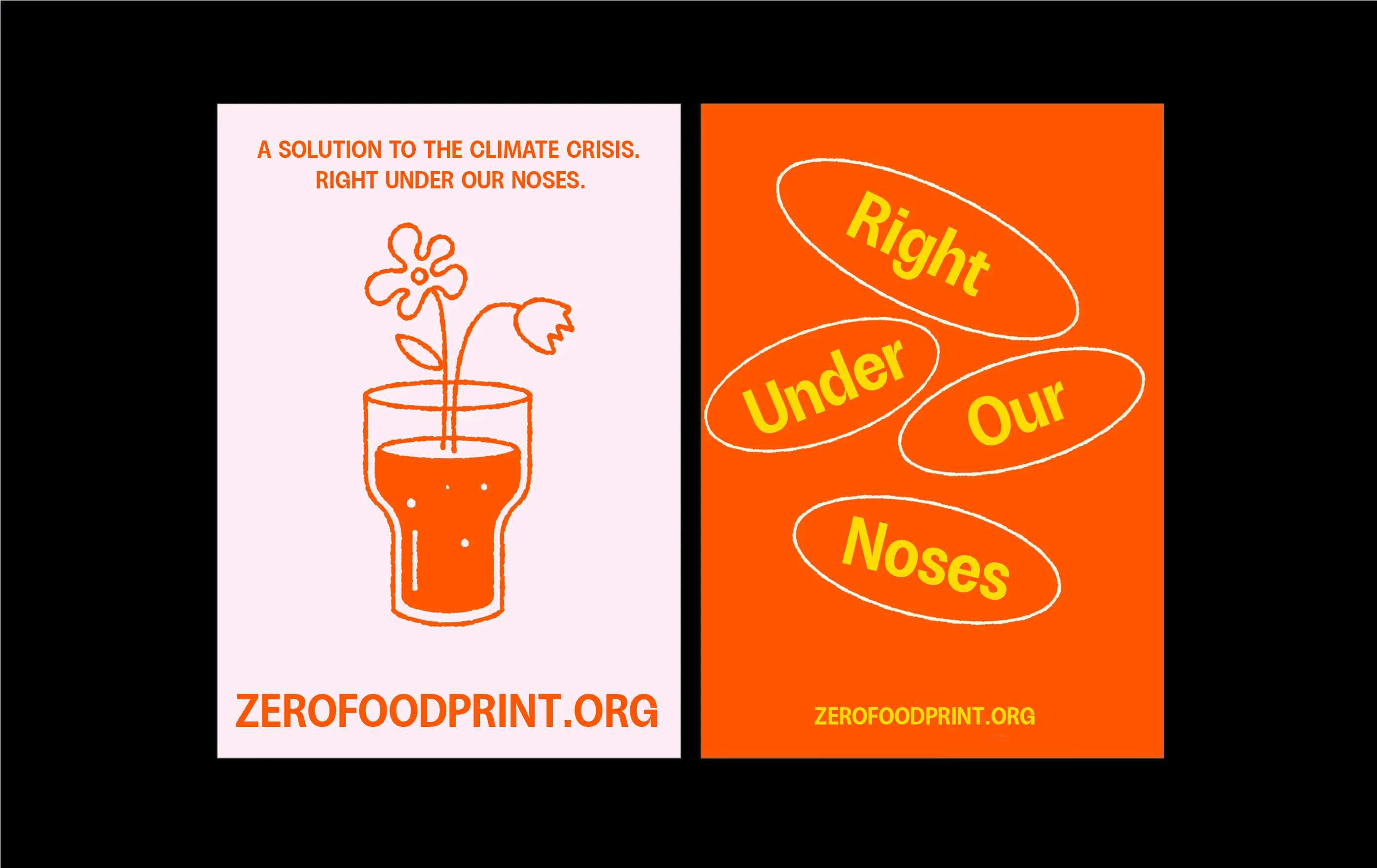
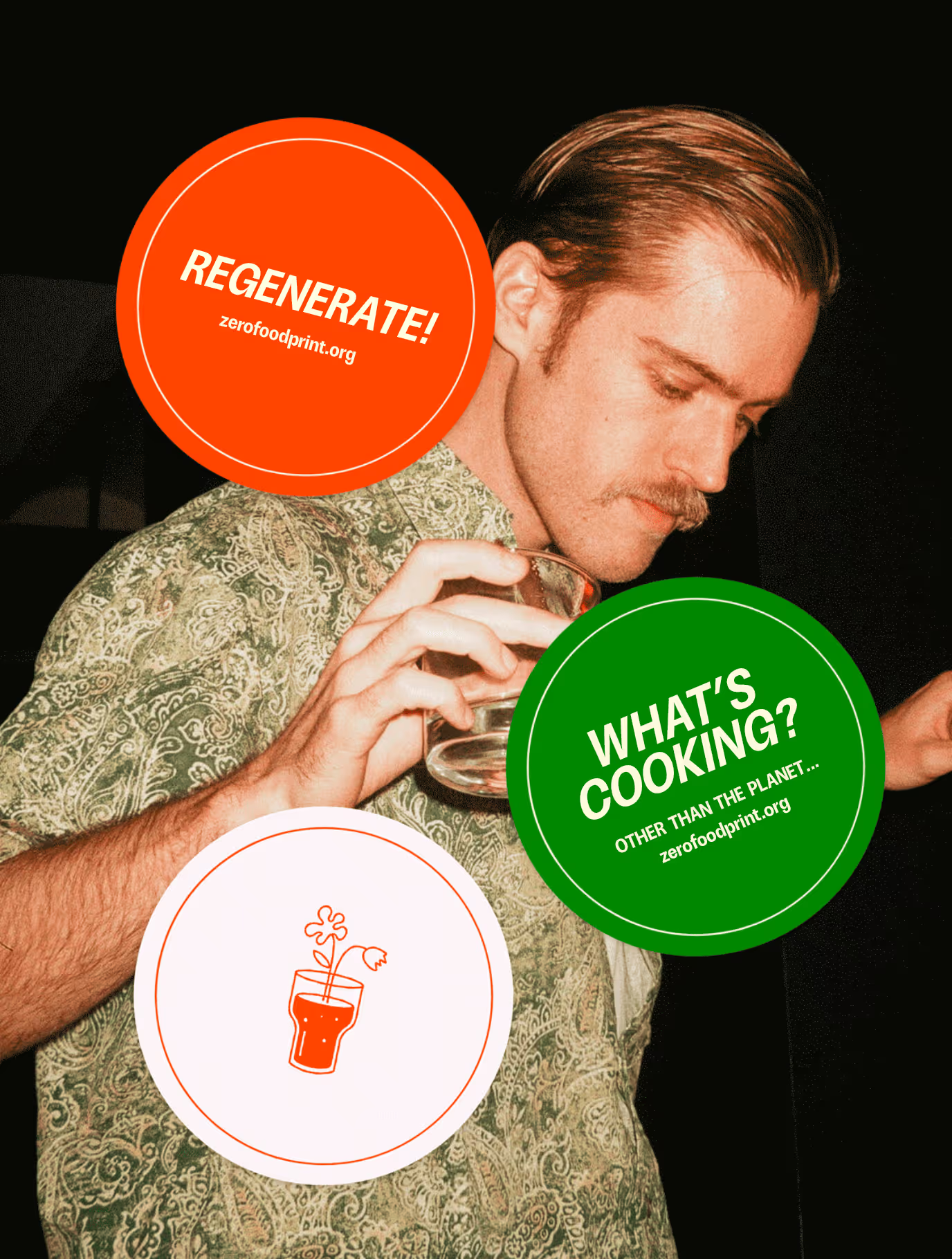
Experiential and Guerilla Concepts:
Developed experiential ideas and unexpected placements where provocative language and playful disruption could serve as an entry point to education, learning, and advocacy.
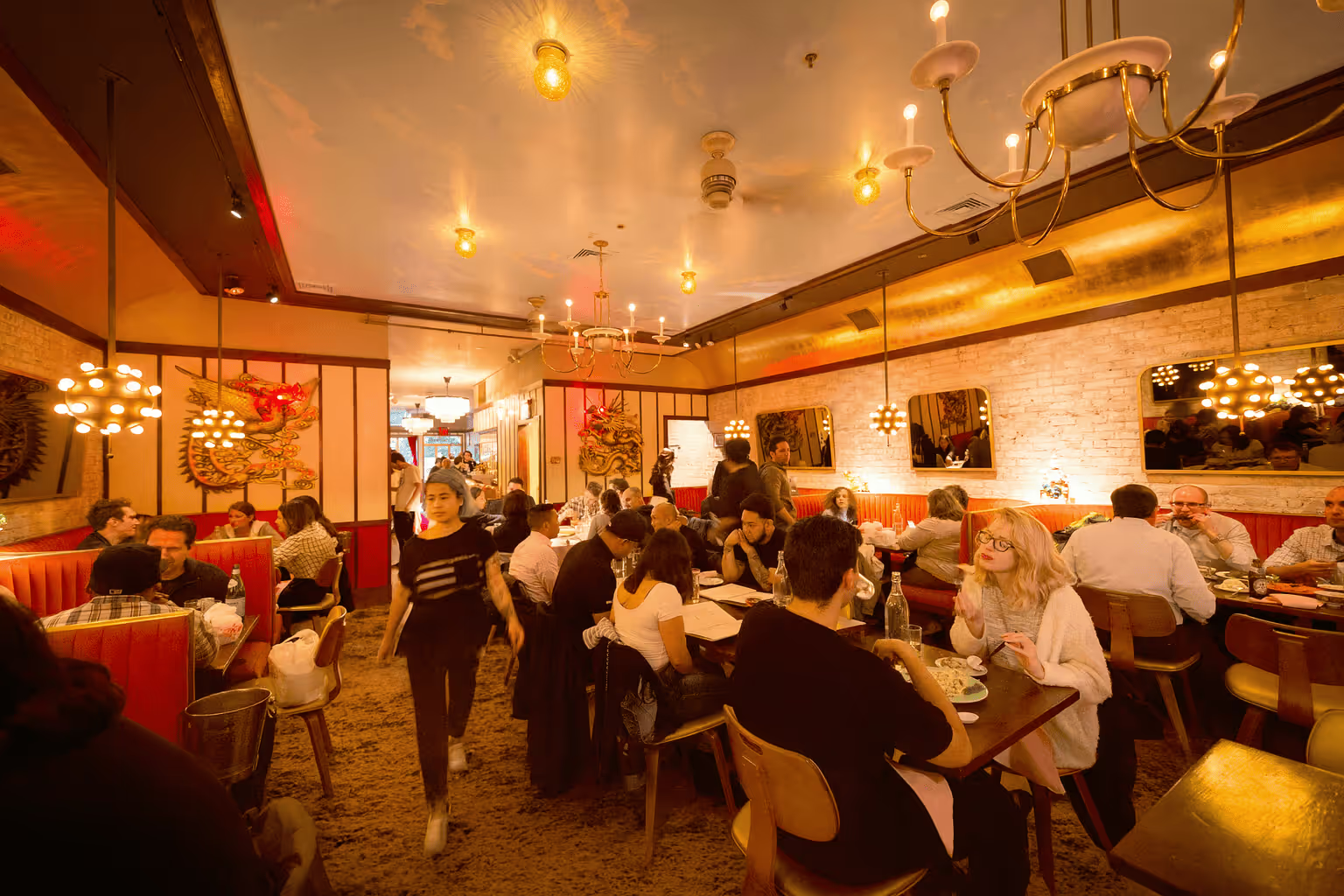
Exploratory experiential concept transforming public interior space by replacing conventional flooring with exposed soil. The intervention is designed to make soil unavoidable and tactile, reinforcing the idea that climate solutions begin beneath our feet and beneath everyday experiences.
What This Demonstrates
This speculative project illustrates my approach to campaign ideation, visual systems, and storytelling for advocacy-driven organizations. It reflects how I think about audience entry points, message framing, and cross-channel cohesion when translating complex, systems-level issues into communications that feel human, immediate, and engaging.
Role:
Campaign concept development, messaging exploration, visual direction, and speculative creative execution.




What's currently in the works.
